“You’re Saving 40%” Sounds Better Than “You’re Spending 60%”
Posted on | | Leave a Comment on “You’re Saving 40%” Sounds Better Than “You’re Spending 60%”
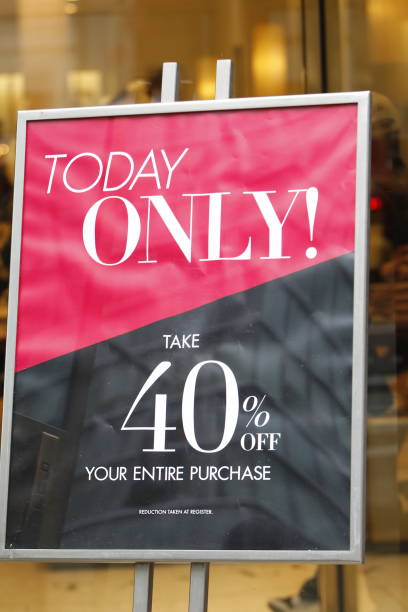
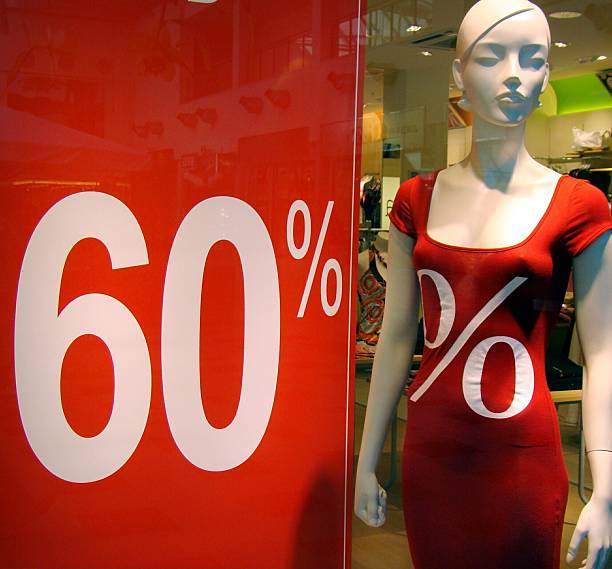
The numbers are exactly the same. But one feels good… and the other doesn’t. That’s the strange thing about shopping language. The way a deal is presented can completely change how it feels, even when the math stays identical. Why the first version feels better “Saving” feels positive. It feels like progress. Like advantage. Like gaining something. Spending feels different. It reminds you that money is leaving your pocket. So naturally, your attention moves toward the version that feels better emotionally. How stores shape perception Most offers are designed around emotion first. That’s why you almost never see:“You’re still paying 60%.” Instead, you see:“Save 40% today.” Both are true. But one encourages action far more effectively. The mind focuses on the reward When people see a discount, they often focus on what’s being avoided instead of what’s being spent. That changes the emotional weight of the decision. The purchase starts feeling smaller than it actually is. Not because the number changed… but because the framing did. Why this matters Because perception quietly influences behavior. A product that feels expensive at full price can suddenly feel reasonable once the “saving” becomes visible. Even if the final amount is still high. The hidden shift in thinking The focus changes from:“How much am I paying?” to:“How much am I saving?” And once that happens, the emotional side of the decision becomes much stronger than the practical side. A simple way to reset your perspective The next time you see a large discount, ignore the percentage for a moment. Look only at the final amount leaving your pocket. That number tells the real story. Everything else is framing. The bottom line The way a price is presented can influence how you feel about spending it. Even when nothing about the actual cost changes. Because in the end, shopping decisions are not driven by numbers alone… they’re driven by how those numbers are made to feel.