What Makes a Deal Worth It? A Simple Way to Decide

Posted on | | Leave a Comment on What Makes a Deal Worth It? A Simple Way to Decide

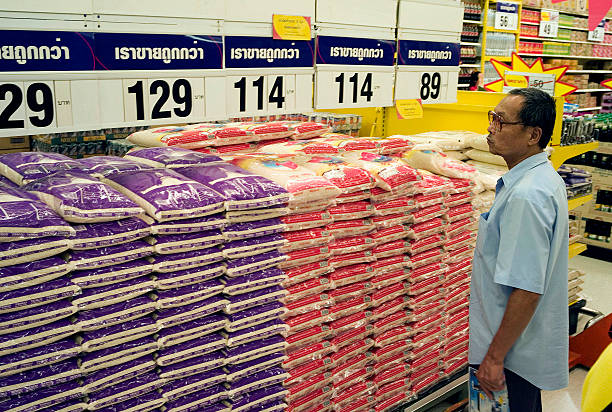
Not every deal is a good deal. Even if it looks like one. You see a discount. The price is lower. It feels like the right move. But later, you realize… it didn’t really matter. Or worse, you didn’t need it at all. So the question isn’t “Is this discounted?”It’s 👉 “Is this actually worth it?” A lower price doesn’t guarantee value This is where most people get it wrong. They think:Lower price = good deal But that only works if the product has value to you. Because even something 80% off is still a bad deal…if it adds nothing to your life. A simple way to think about it A deal is only worth it when three things are true: If one of these is missing, the deal starts losing value. 1. Do you actually need it? This is the most important filter. Ask:👉 “Was I planning to get this anyway?” If yes, then a discount is helpful. If not, then the deal is creating the need… not solving it. 2. Is the price really good? Not just lower — but fair. Sometimes: So instead of trusting the label, trust comparison. Even a quick check can save you money. 3. Is this the right time? Timing matters more than people think. Buying something too early: Buying too late: The best deals happen when:👉 Need + Price + Timing align Why people struggle with this Because decisions happen fast. You see: And your brain jumps to:“Take it now” There’s no pause to evaluate. The power of a 10-second pause Before buying, take a short pause and ask: 👉 Do I need this?👉 Is the price actually good?👉 Is now the right time? That small moment creates clarity. And clarity leads to better decisions. Most deals aren’t meant for you This is something people don’t realize. Not every deal is relevant to your life. But when you see too many offers, everything starts to feel important. And that’s how you end up buying things that don’t matter. Where Beebirr fits in Imagine seeing fewer deals… but better ones. Deals that: That’s the difference. Not more options —just more useful ones. The bottom line A deal isn’t worth it because it’s cheaper. It’s worth it because it makes sense for you. 👉 Because the smartest shoppers don’t ask “How big is the discount?” They ask “Does this actually make sense?”

How to Actually Find Real Discounts (Not Fake Ones)

Posted on | | Leave a Comment on How to Actually Find Real Discounts (Not Fake Ones)

Not every discount is real.Some just look good. You see “50% OFF” and think you’re saving money. But sometimes, that number is doing more work than the actual deal. The illusion of big discounts Here’s a common trick: A product is listed at 2,000 birr.Then “discounted” to 1,200 birr. Looks like a huge saving. But in reality?That product may have always been worth around 1,200. The “discount” is just a story built around a higher original price. Why fake discounts work so well Because your brain focuses on the percentage, not the value. “50% OFF” feels exciting.It feels rare.It feels urgent. So instead of asking:👉 “Is this worth it?” You react to:👉 “This is a big discount” And that’s where the mistake happens. Real discounts are quieter Genuine deals don’t always look dramatic. Sometimes it’s: No huge banners. No pressure. Just real value. The easiest way to spot a fake deal Ask one simple question: 👉 “What is this actually worth?” Not: But: If the answer is unclear, pause. Because confusion often means the deal isn’t as good as it looks. Compare before you believe One of the simplest habits that saves money: Check more than one source. Not for hours. Just quickly. Because many “exclusive deals” aren’t exclusive at all. They’re just presented that way. Watch out for urgency tricks Fake discounts often come with pressure: These messages are designed to stop you from thinking. Because when you slow down… You start questioning the value. Real deals don’t need pressure If something is genuinely useful and fairly priced… You don’t need to be rushed into buying it. You understand its value naturally. That’s the difference: Why most people fall for fake discounts Because it’s fast. You see → you react → you buy There’s no pause. No evaluation. And without that pause, everything looks like a good deal. Where Beebirr fits in Imagine not having to guess: Instead, you: That’s how you move from reacting to choosing. The bottom line A discount doesn’t automatically mean value. Sometimes it’s real.Sometimes it’s just presentation. The difference is in how you look at it. 👉 Because the smartest shoppers don’t chase the biggest discounts They look for the real ones