Ethiopia’s Inflation Is Slowing. So Why Do Prices Still Feel High?

Posted on | | Leave a Comment on Ethiopia’s Inflation Is Slowing. So Why Do Prices Still Feel High?

Source: IMF Reaches Staff-Level Agreement with Ethiopia on the First Review under the Extended Credit Facility Arrangementhttps://www.imf.org/en/News/Articles/2025/04/01/pr25104-ethiopia-imf-reaches-staff-level-agreement-first-review-ecf-arrangement When people hear that inflation is slowing, many expect prices to start falling. But that is not how inflation works. In Ethiopia, inflation has eased significantly compared to the extremely high levels seen in recent years. Yet many consumers still feel pressure every time they buy groceries, pay rent, or shop for everyday essentials. This creates an important question: If inflation is slowing, why does everything still feel expensive? Inflation Slowing Doesn’t Mean Prices Are Falling One of the biggest misconceptions about inflation is that lower inflation means lower prices. In reality, it means prices are rising more slowly. Imagine a product that increased from 100 birr to 130 birr last year. If inflation slows this year, the same product might rise from 130 birr to 138 birr instead of jumping to 160 birr. The price is still increasing. Just at a slower pace. For consumers, that distinction matters. Why Households Still Feel Pressure Many Ethiopian households experienced several years of rapid price increases. Food, transportation, housing, and imported goods all became more expensive. Even when inflation moderates, those higher prices often remain. As a result, consumers are comparing today’s prices not with last month, but with what they paid a few years ago. That difference can feel dramatic. Imported Goods Face Additional Challenges Many products sold in Ethiopia depend on international supply chains. Electronics, appliances, clothing, vehicle parts, and many consumer goods are affected by: Even if domestic inflation slows, imported products can remain expensive because of these additional factors. Ethiopia Is Not Alone This experience is happening around the world. Countries across Africa, Europe, and North America have seen inflation decline after periods of rapid price growth. Yet consumers in many of those countries still report feeling that everyday life is expensive. The reason is simple. People notice the level of prices more than the speed at which prices change. What Consumers Can Do While individuals cannot control inflation, they can adjust spending habits. Many households are: These behaviors have become increasingly common as consumers adapt to changing economic conditions. Why This Matters Inflation affects more than economics. It affects everyday decisions. What people buy, where they shop, how they save, and when they spend are all influenced by price changes. Understanding the difference between slowing inflation and falling prices helps consumers make better financial decisions. The Bottom Line The good news is that inflation is moving in a more stable direction. The challenge is that consumers are still living with the effects of several years of rising prices. So while inflation may be slowing, many households are still adjusting to a new reality where the cost of everyday life remains significantly higher than it once was.
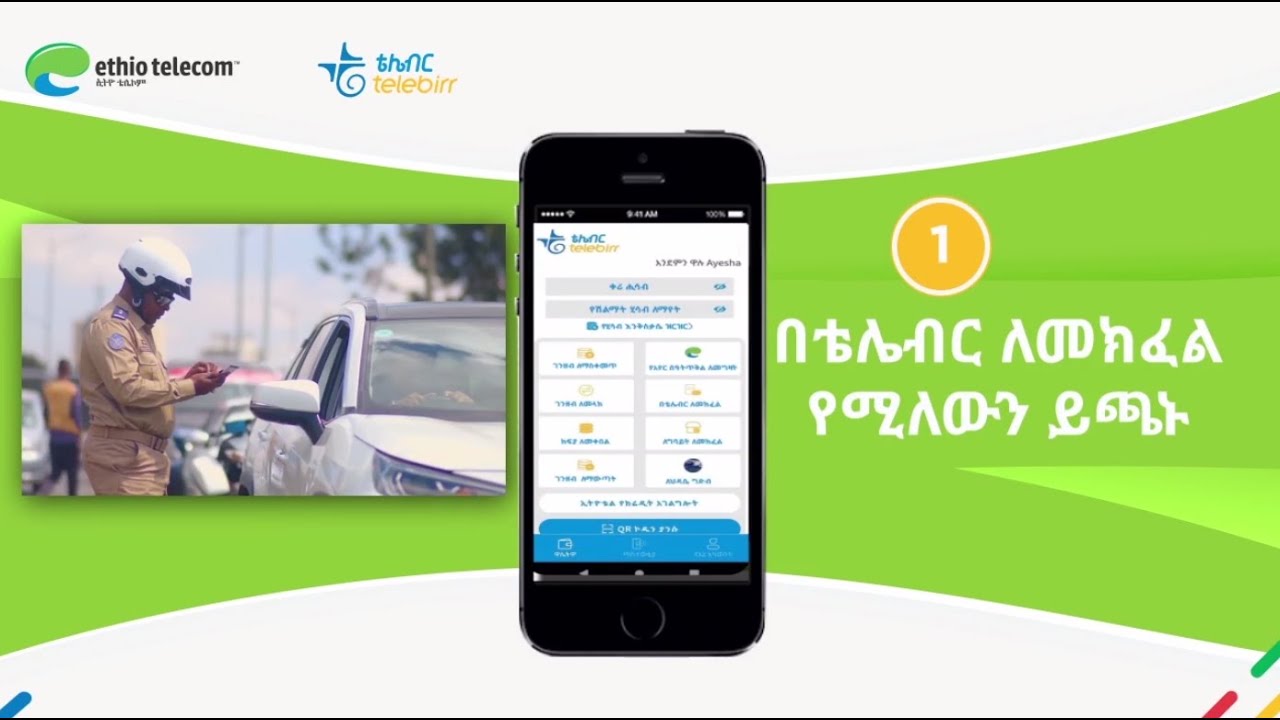
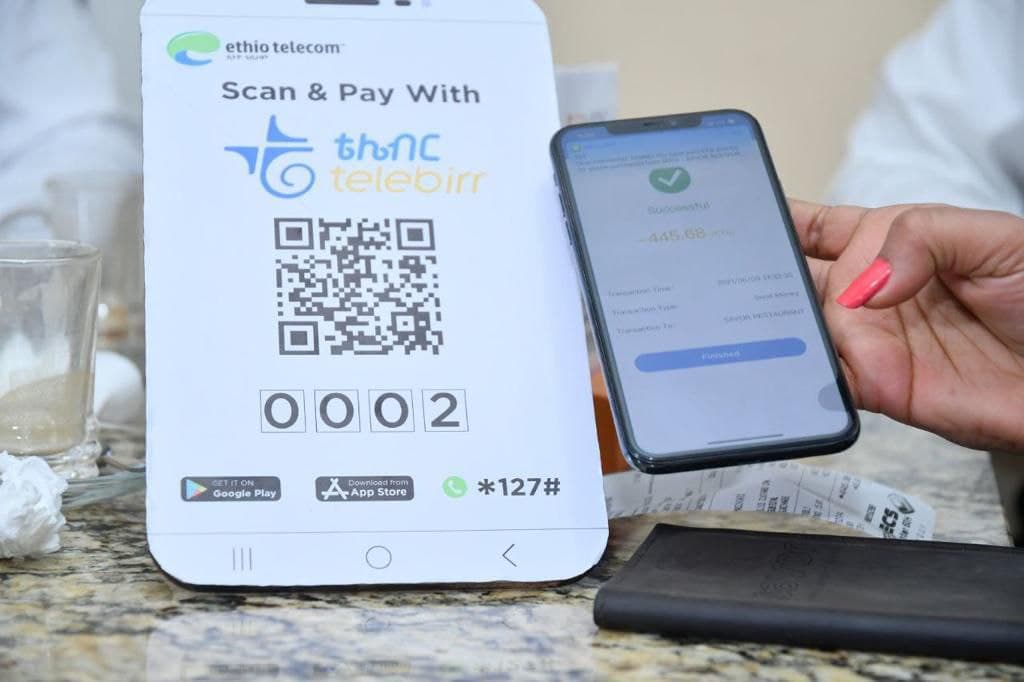
How Telebirr Changed the Way Ethiopians Pay for Everything

Posted on | | Leave a Comment on How Telebirr Changed the Way Ethiopians Pay for Everything

Source: Telebirr records over 1.9 trillion ETB in transactions as Ethio Telecom subscribers surpass 87 millionhttps://www.amn.gov.et/en/telebirr-records-over-1-9-trillion-etb-in-transactions-as-ethio-telecom-subscribers-surpass-87-million/ For many years in Ethiopia, cash was the default way to pay. If you were buying food, paying for transport, or sending money, physical cash was part of the process. But that routine is changing quickly. Today, millions of Ethiopians use mobile money platforms like Telebirr for everyday transactions — from small purchases to larger payments. And the scale of that change is now measurable. Telebirr has processed trillions of birr in transactions, showing how deeply digital payments are entering daily life in Ethiopia. From Cash-Based Habits to Digital Payments The shift did not happen overnight. It started with small changes: Then it expanded into everyday commerce. Now, paying with a phone is becoming normal in cities like Addis Ababa, where more merchants accept digital payments alongside cash. This shift reflects a broader change in consumer behavior — not just in Ethiopia, but globally. Ethiopia Is Following a Global Trend The rise of mobile payments in Ethiopia mirrors what has already happened in other countries. In China, platforms like Alipay and WeChat Pay transformed everyday shopping into a fully digital experience. In Kenya, M-Pesa became one of the most widely used mobile money systems in the world. In India, UPI payments turned mobile transfers into a daily habit for millions. Ethiopia is now entering a similar phase — but at its own pace, shaped by infrastructure, access, and local systems. Why Consumers Adopted Telebirr Quickly The adoption of Telebirr is driven by practicality more than technology. For many users, it solves real problems: When a system removes friction, people adopt it quickly. That is exactly what is happening in Ethiopia’s payment landscape. What This Means for Small Businesses The impact is not limited to consumers. Small and medium businesses are also adapting. More shops, cafés, transport services, and retailers now accept mobile payments. This changes how they operate: For many businesses, accepting digital payments is becoming less of an option and more of a requirement to stay competitive. The Bigger Economic Shift The growth of mobile money is not just a technology story. It is part of a larger economic transition. As digital payments expand, they create conditions for: Each new user strengthens the ecosystem, making digital payments more useful for everyone involved. Challenges Still Remain Despite rapid growth, there are still barriers: These challenges will shape how fast and how evenly digital payments grow across Ethiopia. Why This Matters Telebirr is not just a payment tool. It represents a shift in behavior. Ethiopians are gradually moving from a cash-first system to a hybrid digital economy where mobile phones play a central role in daily transactions. That shift affects not only how people pay — but how they shop, save, and interact with businesses. The Bottom Line The rise of Telebirr shows how quickly financial habits can change when the right system is in place. What once required physical cash is now often done in seconds through a phone. And as adoption continues to grow, digital payments may soon become the default way Ethiopians handle everyday transactions.

58 Million Ethiopians Now Use Mobile Money. What Does That Mean for Consumers?

Posted on | | Leave a Comment on 58 Million Ethiopians Now Use Mobile Money. What Does That Mean for Consumers?

For years, cash dominated everyday life in Ethiopia. Whether you were paying for groceries, sending money to family, or settling a bill, cash was usually the default option. That reality is changing faster than many people realize. According to recent figures shared by Prime Minister Abiy Ahmed, Ethiopia now has 58 million mobile money users, while digital payment transactions have grown by 60% over the past six months alone. https://www.ena.et/web/eng/w/eng_8234853 That is one of the biggest shifts happening in the Ethiopian economy today. But what does it actually mean for consumers? Ethiopia Is Moving Away From Cash Only a few years ago, most financial transactions in Ethiopia happened physically. Today, mobile wallets are becoming part of daily life. The government reports that more than 97 million Ethiopians now use mobile services, creating the foundation for rapid digital payment growth. For consumers, this means fewer trips to banks, faster transfers, and more payment options than ever before. A growing number of people can now: Telebirr Is Driving Much of This Growth One of the biggest players behind this transformation is Ethio Telecom through its mobile money platform Telebirr. According to company reports, Telebirr has reached approximately 58.6 million users and processed more than 6.8 trillion birr in transactions since launch. More than 1.9 trillion birr of that volume occurred within the last six months alone.https://www.amn.gov.et/en/telebirr-records-over-1-9-trillion-etb-in-transactions-as-ethio-telecom-subscribers-surpass-87-million/ These numbers show that digital payments are no longer a niche service. They are becoming mainstream. What This Means for Shoppers For consumers, the biggest benefit is convenience. Paying digitally often means: As more businesses adopt digital payments, shoppers may find it easier to compare prices, access promotions, and complete purchases without needing physical cash. This trend could also support the growth of Ethiopian e-commerce and online services. The Opportunity for Businesses Digital payments do not only help consumers. Small businesses can benefit as well. Digital transactions can reduce cash handling, simplify accounting, and make it easier to serve customers who prefer mobile payments. https://ethiopianweb.net/ethiopia-digital-payments-2026-tech-shift/ For merchants, accepting digital payments is increasingly becoming a competitive advantage rather than an optional feature. Challenges Still Remain Despite the impressive growth, challenges remain. Many Ethiopians still face: The next phase of growth will depend not only on adding users but also on improving trust and everyday usability. Why This Matters Digital payments are changing how Ethiopians spend, save, and do business. Just a few years ago, sending money often meant carrying cash or visiting a bank. Today, millions of people can complete the same task in seconds from their phones. That shift may seem simple. But over time, it has the potential to reshape shopping, commerce, banking, and financial inclusion across Ethiopia. The Bottom Line The rise of mobile money is no longer a future trend. It’s happening right now. With 58 million users already participating in Ethiopia’s digital payment ecosystem, the question is no longer whether digital payments will grow. The question is how quickly they will become the normal way Ethiopians pay for everyday life.

Why Does a $5 Discount Feel Better Than Finding $5?

Posted on | | Leave a Comment on Why Does a $5 Discount Feel Better Than Finding $5?

Imagine two situations. In the first, someone hands you $5. In the second, you buy something and save $5 through a discount. Strangely, many people feel more excited about the second one. Even though the amount is exactly the same. Why? Because shopping isn’t just about money. It’s about perception. The feeling of winning A discount feels like a victory. You spotted the deal. You acted at the right time. You avoided paying more. That creates a small sense of achievement. Finding money feels lucky. Saving money feels earned. And earned rewards often feel better. Why stores love discounts Businesses understand this psychology well. A small discount can create a surprisingly strong emotional reaction. That’s why promotions are everywhere. Not because the savings are always huge. Because the feeling they create is powerful. The difference between value and emotion The actual financial outcome may be identical. You end up with the same amount of money. But emotionally, the experiences are different. One feels passive. The other feels active. And people naturally enjoy feeling involved in a smart decision. When the feeling becomes misleading The problem starts when the excitement of saving becomes more important than the purchase itself. You stop asking: “Do I need this?” And start asking: “How much can I save?” That shift can lead to purchases that never would have happened without the discount. The hidden question The next time a deal makes you feel excited, ask yourself: 👉 Am I happy about the product, or happy about the discount? The answer can reveal what’s really driving the decision. Why this matters There’s nothing wrong with enjoying a good deal. The goal isn’t to remove emotion from shopping. It’s simply to recognize when emotion is leading the purchase. Because awareness creates better decisions. The bottom line A discount doesn’t just reduce a price. It creates a feeling. And sometimes that feeling is worth more to us than the money itself. Because in the end, people don’t just buy products or save money… they also buy the satisfaction of feeling like they got a great deal.

You Thought You Were Comparing Prices — But You Were Comparing Feelings

Posted on | | Leave a Comment on You Thought You Were Comparing Prices — But You Were Comparing Feelings

It looks logical from the outside. Two products. Two prices. One decision. Simple comparison. But most shopping decisions are not purely about numbers. They’re about how those numbers make you feel. Why one option suddenly “feels right” Sometimes a product feels too cheap. Another feels too expensive. And one lands perfectly in the middle — comfortable, reasonable, safe. That feeling often becomes the decision. Not the actual value. The hidden emotional calculations While comparing prices, your brain is also comparing emotions: Those emotional signals work quietly in the background. But they influence more than most people realize. Why expensive products can feel better Higher prices sometimes create confidence. They suggest quality, reliability, or status — even before the product is experienced. That’s why people occasionally choose the more expensive option while believing they’re making the more rational choice. Because emotionally, it feels stronger. Why cheap options can feel uncomfortable Low prices don’t always feel satisfying. Sometimes they create doubt: So even when the cheaper option is perfectly fine, it can still lose emotionally. The strange truth about comparison People rarely compare products objectively. They compare imagined outcomes. How each purchase might feel after buying it. And that imagined feeling shapes the final decision more than the actual numbers. A better way to compare The next time you’re stuck between options, pause and ask: 👉 Am I comparing value… or trying to avoid a certain feeling? That question changes the entire perspective. The bottom line Shopping decisions often look rational on the surface. But underneath, emotion is usually guiding the direction. Because in the end, people don’t just buy products… they buy the feeling they expect the purchase to create.

The Discount Didn’t Change the Product — It Changed You

Posted on | | Leave a Comment on The Discount Didn’t Change the Product — It Changed You

The product stayed exactly the same. Same quality. Same function. Same purpose. But the moment the discount appeared, your reaction changed completely. Suddenly it felt interesting. Worth considering. Maybe even hard to ignore. What discounts actually influence Most people think discounts change value. But often, they mainly change perception. A product that felt “too expensive” yesterday can suddenly feel reasonable today — even if the final price is still high. Not because the item became better. Because the feeling around it changed. Why the brain reacts so strongly Discounts create emotional movement. They trigger: And those emotions quietly influence the decision before logic fully catches up. The moment attention becomes desire At first, you simply notice the deal. Then you start imagining the product. Then you start imagining owning it. That progression happens quickly. And by the time you realize it, interest already feels personal. Why this matters Because many purchases are not driven by need alone. They’re driven by emotional timing. A discount creates the perfect moment for desire to feel justified. The illusion people rarely notice Sometimes the product itself was never that important. The emotional reaction was. The excitement of catching a deal becomes stronger than the actual usefulness of what’s being bought. And that’s when shopping stops being intentional. A simple way to reset your thinking The next time a discount grabs your attention, pause and ask: 👉 What exactly changed here — the product, or my reaction to it? That question separates value from emotion surprisingly fast. The bottom line Discounts don’t just lower prices. They reshape how people feel about spending. Because in the end, the strongest part of many deals isn’t the product itself… it’s the emotional shift created by seeing the price drop.

Ever Notice How Fast “Maybe” Turns Into “Buy Now”?

Posted on | | Leave a Comment on Ever Notice How Fast “Maybe” Turns Into “Buy Now”?

At first, you’re unsure. You’re just considering it. Maybe you’ll buy it. Maybe you won’t. Nothing feels decided yet. But then something strange happens. A few minutes later, you’re already reaching checkout. The speed of modern shopping Shopping used to have pauses. You had time to leave the store, think about it, come back another day. Now those pauses barely exist. Everything moves quickly: And when the process becomes faster, hesitation has less time to survive. How “maybe” slowly disappears You start by imagining the product. Then you compare options. Then you picture yourself using it. That emotional connection grows quietly in the background. And once that happens, buying starts feeling less like a decision… and more like a natural next step. Why urgency makes it worse Add a countdown timer or “limited stock” message, and uncertainty disappears even faster. Because now it feels risky not to decide. The fear of missing the opportunity becomes stronger than the need to think carefully. The dangerous feeling of momentum Momentum is powerful. Once you’ve: …your brain already feels partially committed. At that point, checkout no longer feels like a big decision. It feels like finishing what you already started. What usually happens afterward After the excitement fades, clarity returns. Sometimes the purchase still makes sense. Sometimes you realize the decision happened much faster than the actual need. And that difference matters. The easiest way to slow it down Not every purchase needs to be stopped. But every purchase benefits from a pause. Even ten minutes away from the screen can completely change the emotional intensity of the decision. The bottom line Most impulse purchases don’t begin with certainty. They begin with momentum. Because in the end, the real shift isn’t from “no” to “yes”… it’s from “maybe” to “too fast to question.”

The “Better Deal” Made You Spend More

Posted on | | Leave a Comment on The “Better Deal” Made You Spend More

At first, you were going to buy the cheaper option. Simple. Easy. Enough for what you needed. Then you saw the “better deal.” A slightly bigger package. A higher discount. A bundle that looked more valuable. And suddenly, spending more started feeling smarter. How the decision quietly changes The moment a “better value” option appears, your focus shifts. You stop asking:“What do I need?” And start asking:“What gives me more for the money?” That sounds logical. But it also changes the direction of the purchase completely. Why the expensive option starts feeling reasonable The difference in price often feels small compared to the difference in value. So your brain starts calculating the upgrade instead of the total cost. You think: And just like that, your budget quietly expands. The psychology behind the comparison The expensive option doesn’t need to feel cheap. It only needs to feel better than the alternative. That’s what makes comparison so powerful in shopping. Your decision becomes relative instead of intentional. When a better deal actually helps Sometimes upgrading does make sense. If: Then spending more can still be smart. When it becomes a trap The problem starts when the “better deal” creates needs that weren’t there before. You buy more features, more quantity, or more product than you originally intended — simply because the comparison made it feel justified. Not because you actually needed it. A small question that changes the decision Before upgrading, pause and ask: 👉 If the better deal didn’t exist, would the original option still satisfy me? If the answer is yes, then the upgrade may not be as necessary as it feels. The bottom line A better deal can still lead to unnecessary spending. Especially when comparison replaces clarity. Because in the end, spending more efficiently is still spending more… and sometimes the smartest choice was the simpler one from the beginning.

If It Wasn’t on Sale, Would You Even Notice It?

Posted on | | Leave a Comment on If It Wasn’t on Sale, Would You Even Notice It?

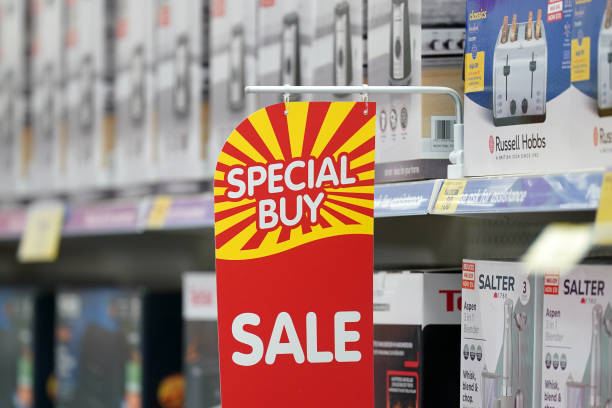
Some products don’t stand out because they’re special. They stand out because they’re discounted. The bright label, the crossed-out price, the “limited offer” banner — all of it pulls your attention in a specific direction. And once something gets your attention, it starts feeling important. The strange power of visibility A product can sit unnoticed for weeks. Then suddenly: And now it feels different. Not because the product changed. Because your attention changed. How discounts create interest Sometimes people think they want the product. But what they actually want is the feeling attached to the deal. The excitement. The opportunity. The sense of catching something at the right time. That emotional layer makes ordinary things feel more valuable than they really are. Why attention matters so much What gets noticed gets considered. And what gets considered has a chance of being bought. That’s why discounts are often designed to be loud visually. Not just cheaper — impossible to ignore. The moment the question becomes useful The easiest way to test your interest is simple: 👉 If this product had no discount label, would I still stop for it? That question removes the spotlight effect. And suddenly, the product becomes easier to judge clearly. When the answer changes everything If you would still want it without the sale, then the offer is probably supporting a real decision. But if the interest disappears the moment the discount disappears… then the deal was carrying most of the attraction. The quiet truth behind many purchases A lot of buying decisions don’t begin with need. They begin with attention. And discounts are experts at capturing it. The bottom line Not every product earns your interest naturally. Sometimes the sale sign does all the work. Because in the end, the real question isn’t whether the discount is good… it’s whether the product mattered before the discount appeared.

You Were Just Browsing… So Why Does Checkout Feel Inevitable?

Posted on | | Leave a Comment on You Were Just Browsing… So Why Does Checkout Feel Inevitable?

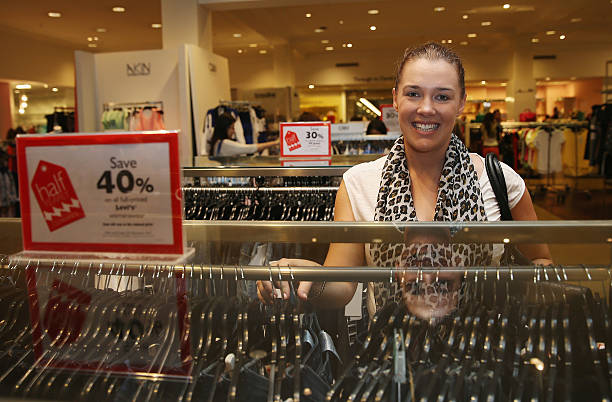
The numbers are exactly the same. But one feels good… and the other doesn’t. That’s the strange thing about shopping language. The way a deal is presented can completely change how it feels, even when the math stays identical. Why the first version feels better “Saving” feels positive. It feels like progress. Like advantage. Like gaining something. Spending feels different. It reminds you that money is leaving your pocket. So naturally, your attention moves toward the version that feels better emotionally. How stores shape perception Most offers are designed around emotion first. That’s why you almost never see:“You’re still paying 60%.” Instead, you see:“Save 40% today.” Both are true. But one encourages action far more effectively. The mind focuses on the reward When people see a discount, they often focus on what’s being avoided instead of what’s being spent. That changes the emotional weight of the decision. The purchase starts feeling smaller than it actually is. Not because the number changed… but because the framing did. Why this matters Because perception quietly influences behavior. A product that feels expensive at full price can suddenly feel reasonable once the “saving” becomes visible. Even if the final amount is still high. The hidden shift in thinking The focus changes from:“How much am I paying?” to:“How much am I saving?” And once that happens, the emotional side of the decision becomes much stronger than the practical side. A simple way to reset your perspective The next time you see a large discount, ignore the percentage for a moment. Look only at the final amount leaving your pocket. That number tells the real story. Everything else is framing. The bottom line The way a price is presented can influence how you feel about spending it. Even when nothing about the actual cost changes. Because in the end, shopping decisions are not driven by numbers alone… they’re driven by how those numbers are made to feel.