Ethiopia’s Inflation Is Slowing. So Why Do Prices Still Feel High?

Posted on | | Leave a Comment on Ethiopia’s Inflation Is Slowing. So Why Do Prices Still Feel High?

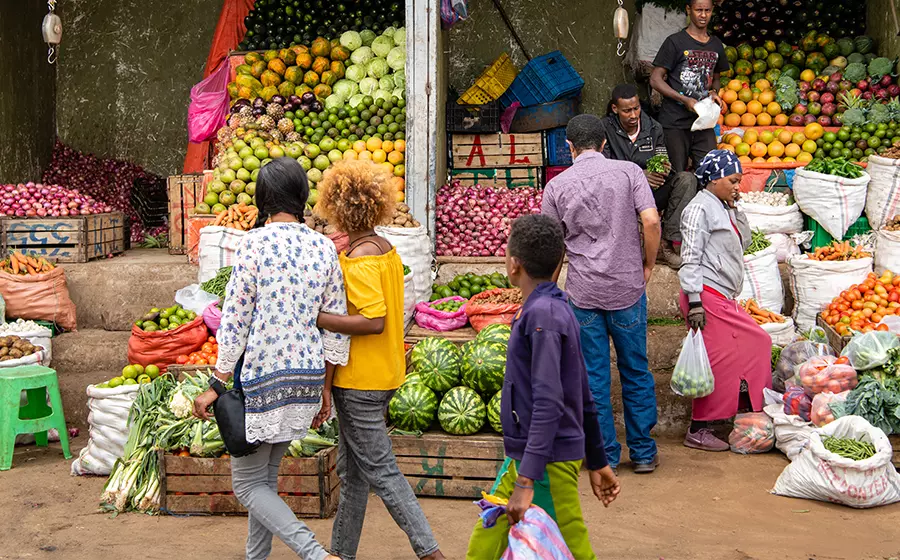
Source: IMF Reaches Staff-Level Agreement with Ethiopia on the First Review under the Extended Credit Facility Arrangementhttps://www.imf.org/en/News/Articles/2025/04/01/pr25104-ethiopia-imf-reaches-staff-level-agreement-first-review-ecf-arrangement When people hear that inflation is slowing, many expect prices to start falling. But that is not how inflation works. In Ethiopia, inflation has eased significantly compared to the extremely high levels seen in recent years. Yet many consumers still feel pressure every time they buy groceries, pay rent, or shop for everyday essentials. This creates an important question: If inflation is slowing, why does everything still feel expensive? Inflation Slowing Doesn’t Mean Prices Are Falling One of the biggest misconceptions about inflation is that lower inflation means lower prices. In reality, it means prices are rising more slowly. Imagine a product that increased from 100 birr to 130 birr last year. If inflation slows this year, the same product might rise from 130 birr to 138 birr instead of jumping to 160 birr. The price is still increasing. Just at a slower pace. For consumers, that distinction matters. Why Households Still Feel Pressure Many Ethiopian households experienced several years of rapid price increases. Food, transportation, housing, and imported goods all became more expensive. Even when inflation moderates, those higher prices often remain. As a result, consumers are comparing today’s prices not with last month, but with what they paid a few years ago. That difference can feel dramatic. Imported Goods Face Additional Challenges Many products sold in Ethiopia depend on international supply chains. Electronics, appliances, clothing, vehicle parts, and many consumer goods are affected by: Even if domestic inflation slows, imported products can remain expensive because of these additional factors. Ethiopia Is Not Alone This experience is happening around the world. Countries across Africa, Europe, and North America have seen inflation decline after periods of rapid price growth. Yet consumers in many of those countries still report feeling that everyday life is expensive. The reason is simple. People notice the level of prices more than the speed at which prices change. What Consumers Can Do While individuals cannot control inflation, they can adjust spending habits. Many households are: These behaviors have become increasingly common as consumers adapt to changing economic conditions. Why This Matters Inflation affects more than economics. It affects everyday decisions. What people buy, where they shop, how they save, and when they spend are all influenced by price changes. Understanding the difference between slowing inflation and falling prices helps consumers make better financial decisions. The Bottom Line The good news is that inflation is moving in a more stable direction. The challenge is that consumers are still living with the effects of several years of rising prices. So while inflation may be slowing, many households are still adjusting to a new reality where the cost of everyday life remains significantly higher than it once was.

58 Million Ethiopians Now Use Mobile Money. What Does That Mean for Consumers?

Posted on | | Leave a Comment on 58 Million Ethiopians Now Use Mobile Money. What Does That Mean for Consumers?

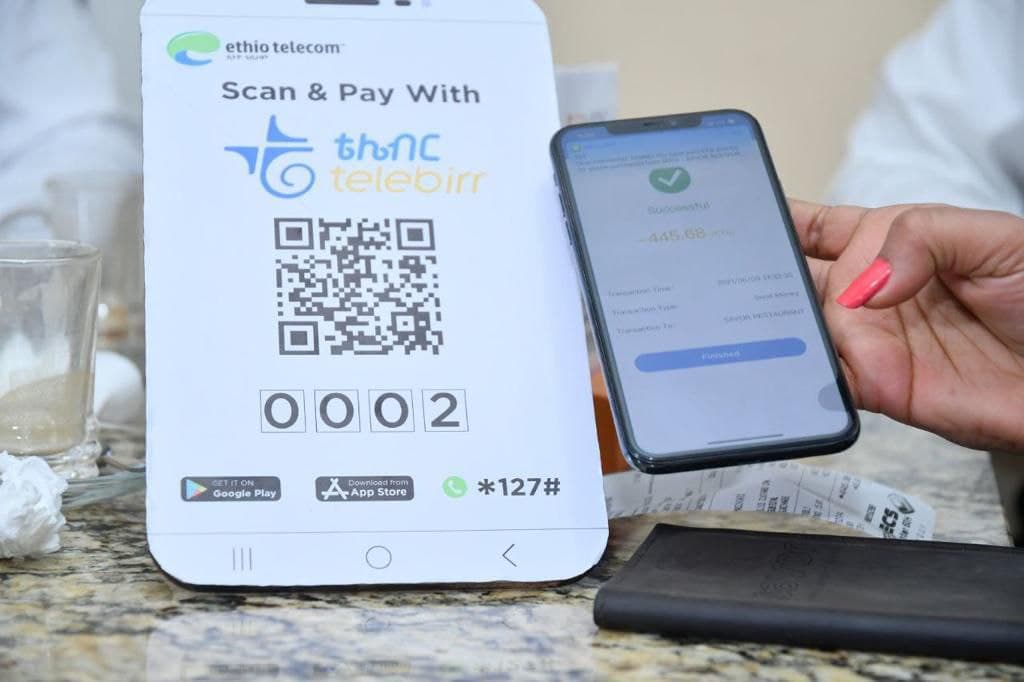
For years, cash dominated everyday life in Ethiopia. Whether you were paying for groceries, sending money to family, or settling a bill, cash was usually the default option. That reality is changing faster than many people realize. According to recent figures shared by Prime Minister Abiy Ahmed, Ethiopia now has 58 million mobile money users, while digital payment transactions have grown by 60% over the past six months alone. https://www.ena.et/web/eng/w/eng_8234853 That is one of the biggest shifts happening in the Ethiopian economy today. But what does it actually mean for consumers? Ethiopia Is Moving Away From Cash Only a few years ago, most financial transactions in Ethiopia happened physically. Today, mobile wallets are becoming part of daily life. The government reports that more than 97 million Ethiopians now use mobile services, creating the foundation for rapid digital payment growth. For consumers, this means fewer trips to banks, faster transfers, and more payment options than ever before. A growing number of people can now: Telebirr Is Driving Much of This Growth One of the biggest players behind this transformation is Ethio Telecom through its mobile money platform Telebirr. According to company reports, Telebirr has reached approximately 58.6 million users and processed more than 6.8 trillion birr in transactions since launch. More than 1.9 trillion birr of that volume occurred within the last six months alone.https://www.amn.gov.et/en/telebirr-records-over-1-9-trillion-etb-in-transactions-as-ethio-telecom-subscribers-surpass-87-million/ These numbers show that digital payments are no longer a niche service. They are becoming mainstream. What This Means for Shoppers For consumers, the biggest benefit is convenience. Paying digitally often means: As more businesses adopt digital payments, shoppers may find it easier to compare prices, access promotions, and complete purchases without needing physical cash. This trend could also support the growth of Ethiopian e-commerce and online services. The Opportunity for Businesses Digital payments do not only help consumers. Small businesses can benefit as well. Digital transactions can reduce cash handling, simplify accounting, and make it easier to serve customers who prefer mobile payments. https://ethiopianweb.net/ethiopia-digital-payments-2026-tech-shift/ For merchants, accepting digital payments is increasingly becoming a competitive advantage rather than an optional feature. Challenges Still Remain Despite the impressive growth, challenges remain. Many Ethiopians still face: The next phase of growth will depend not only on adding users but also on improving trust and everyday usability. Why This Matters Digital payments are changing how Ethiopians spend, save, and do business. Just a few years ago, sending money often meant carrying cash or visiting a bank. Today, millions of people can complete the same task in seconds from their phones. That shift may seem simple. But over time, it has the potential to reshape shopping, commerce, banking, and financial inclusion across Ethiopia. The Bottom Line The rise of mobile money is no longer a future trend. It’s happening right now. With 58 million users already participating in Ethiopia’s digital payment ecosystem, the question is no longer whether digital payments will grow. The question is how quickly they will become the normal way Ethiopians pay for everyday life.