Why Does a $5 Discount Feel Better Than Finding $5?

Posted on | | Leave a Comment on Why Does a $5 Discount Feel Better Than Finding $5?

Imagine two situations. In the first, someone hands you $5. In the second, you buy something and save $5 through a discount. Strangely, many people feel more excited about the second one. Even though the amount is exactly the same. Why? Because shopping isn’t just about money. It’s about perception. The feeling of winning A discount feels like a victory. You spotted the deal. You acted at the right time. You avoided paying more. That creates a small sense of achievement. Finding money feels lucky. Saving money feels earned. And earned rewards often feel better. Why stores love discounts Businesses understand this psychology well. A small discount can create a surprisingly strong emotional reaction. That’s why promotions are everywhere. Not because the savings are always huge. Because the feeling they create is powerful. The difference between value and emotion The actual financial outcome may be identical. You end up with the same amount of money. But emotionally, the experiences are different. One feels passive. The other feels active. And people naturally enjoy feeling involved in a smart decision. When the feeling becomes misleading The problem starts when the excitement of saving becomes more important than the purchase itself. You stop asking: “Do I need this?” And start asking: “How much can I save?” That shift can lead to purchases that never would have happened without the discount. The hidden question The next time a deal makes you feel excited, ask yourself: 👉 Am I happy about the product, or happy about the discount? The answer can reveal what’s really driving the decision. Why this matters There’s nothing wrong with enjoying a good deal. The goal isn’t to remove emotion from shopping. It’s simply to recognize when emotion is leading the purchase. Because awareness creates better decisions. The bottom line A discount doesn’t just reduce a price. It creates a feeling. And sometimes that feeling is worth more to us than the money itself. Because in the end, people don’t just buy products or save money… they also buy the satisfaction of feeling like they got a great deal.
You Thought You Were Comparing Prices — But You Were Comparing Feelings

Posted on | | Leave a Comment on You Thought You Were Comparing Prices — But You Were Comparing Feelings

It looks logical from the outside. Two products. Two prices. One decision. Simple comparison. But most shopping decisions are not purely about numbers. They’re about how those numbers make you feel. Why one option suddenly “feels right” Sometimes a product feels too cheap. Another feels too expensive. And one lands perfectly in the middle — comfortable, reasonable, safe. That feeling often becomes the decision. Not the actual value. The hidden emotional calculations While comparing prices, your brain is also comparing emotions: Those emotional signals work quietly in the background. But they influence more than most people realize. Why expensive products can feel better Higher prices sometimes create confidence. They suggest quality, reliability, or status — even before the product is experienced. That’s why people occasionally choose the more expensive option while believing they’re making the more rational choice. Because emotionally, it feels stronger. Why cheap options can feel uncomfortable Low prices don’t always feel satisfying. Sometimes they create doubt: So even when the cheaper option is perfectly fine, it can still lose emotionally. The strange truth about comparison People rarely compare products objectively. They compare imagined outcomes. How each purchase might feel after buying it. And that imagined feeling shapes the final decision more than the actual numbers. A better way to compare The next time you’re stuck between options, pause and ask: 👉 Am I comparing value… or trying to avoid a certain feeling? That question changes the entire perspective. The bottom line Shopping decisions often look rational on the surface. But underneath, emotion is usually guiding the direction. Because in the end, people don’t just buy products… they buy the feeling they expect the purchase to create.

The Discount Didn’t Change the Product — It Changed You

Posted on | | Leave a Comment on The Discount Didn’t Change the Product — It Changed You

The product stayed exactly the same. Same quality. Same function. Same purpose. But the moment the discount appeared, your reaction changed completely. Suddenly it felt interesting. Worth considering. Maybe even hard to ignore. What discounts actually influence Most people think discounts change value. But often, they mainly change perception. A product that felt “too expensive” yesterday can suddenly feel reasonable today — even if the final price is still high. Not because the item became better. Because the feeling around it changed. Why the brain reacts so strongly Discounts create emotional movement. They trigger: And those emotions quietly influence the decision before logic fully catches up. The moment attention becomes desire At first, you simply notice the deal. Then you start imagining the product. Then you start imagining owning it. That progression happens quickly. And by the time you realize it, interest already feels personal. Why this matters Because many purchases are not driven by need alone. They’re driven by emotional timing. A discount creates the perfect moment for desire to feel justified. The illusion people rarely notice Sometimes the product itself was never that important. The emotional reaction was. The excitement of catching a deal becomes stronger than the actual usefulness of what’s being bought. And that’s when shopping stops being intentional. A simple way to reset your thinking The next time a discount grabs your attention, pause and ask: 👉 What exactly changed here — the product, or my reaction to it? That question separates value from emotion surprisingly fast. The bottom line Discounts don’t just lower prices. They reshape how people feel about spending. Because in the end, the strongest part of many deals isn’t the product itself… it’s the emotional shift created by seeing the price drop.

If It Wasn’t on Sale, Would You Even Notice It?

Posted on | | Leave a Comment on If It Wasn’t on Sale, Would You Even Notice It?

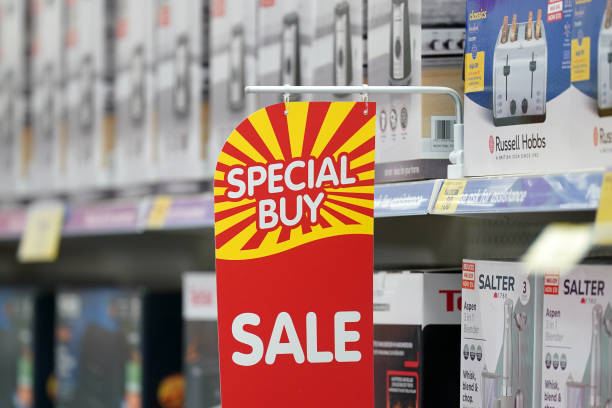
Some products don’t stand out because they’re special. They stand out because they’re discounted. The bright label, the crossed-out price, the “limited offer” banner — all of it pulls your attention in a specific direction. And once something gets your attention, it starts feeling important. The strange power of visibility A product can sit unnoticed for weeks. Then suddenly: And now it feels different. Not because the product changed. Because your attention changed. How discounts create interest Sometimes people think they want the product. But what they actually want is the feeling attached to the deal. The excitement. The opportunity. The sense of catching something at the right time. That emotional layer makes ordinary things feel more valuable than they really are. Why attention matters so much What gets noticed gets considered. And what gets considered has a chance of being bought. That’s why discounts are often designed to be loud visually. Not just cheaper — impossible to ignore. The moment the question becomes useful The easiest way to test your interest is simple: 👉 If this product had no discount label, would I still stop for it? That question removes the spotlight effect. And suddenly, the product becomes easier to judge clearly. When the answer changes everything If you would still want it without the sale, then the offer is probably supporting a real decision. But if the interest disappears the moment the discount disappears… then the deal was carrying most of the attraction. The quiet truth behind many purchases A lot of buying decisions don’t begin with need. They begin with attention. And discounts are experts at capturing it. The bottom line Not every product earns your interest naturally. Sometimes the sale sign does all the work. Because in the end, the real question isn’t whether the discount is good… it’s whether the product mattered before the discount appeared.

You Were Just Browsing… So Why Does Checkout Feel Inevitable?

Posted on | | Leave a Comment on You Were Just Browsing… So Why Does Checkout Feel Inevitable?

The numbers are exactly the same. But one feels good… and the other doesn’t. That’s the strange thing about shopping language. The way a deal is presented can completely change how it feels, even when the math stays identical. Why the first version feels better “Saving” feels positive. It feels like progress. Like advantage. Like gaining something. Spending feels different. It reminds you that money is leaving your pocket. So naturally, your attention moves toward the version that feels better emotionally. How stores shape perception Most offers are designed around emotion first. That’s why you almost never see:“You’re still paying 60%.” Instead, you see:“Save 40% today.” Both are true. But one encourages action far more effectively. The mind focuses on the reward When people see a discount, they often focus on what’s being avoided instead of what’s being spent. That changes the emotional weight of the decision. The purchase starts feeling smaller than it actually is. Not because the number changed… but because the framing did. Why this matters Because perception quietly influences behavior. A product that feels expensive at full price can suddenly feel reasonable once the “saving” becomes visible. Even if the final amount is still high. The hidden shift in thinking The focus changes from:“How much am I paying?” to:“How much am I saving?” And once that happens, the emotional side of the decision becomes much stronger than the practical side. A simple way to reset your perspective The next time you see a large discount, ignore the percentage for a moment. Look only at the final amount leaving your pocket. That number tells the real story. Everything else is framing. The bottom line The way a price is presented can influence how you feel about spending it. Even when nothing about the actual cost changes. Because in the end, shopping decisions are not driven by numbers alone… they’re driven by how those numbers are made to feel.

“You’re Saving 40%” Sounds Better Than “You’re Spending 60%”

Posted on | | Leave a Comment on “You’re Saving 40%” Sounds Better Than “You’re Spending 60%”

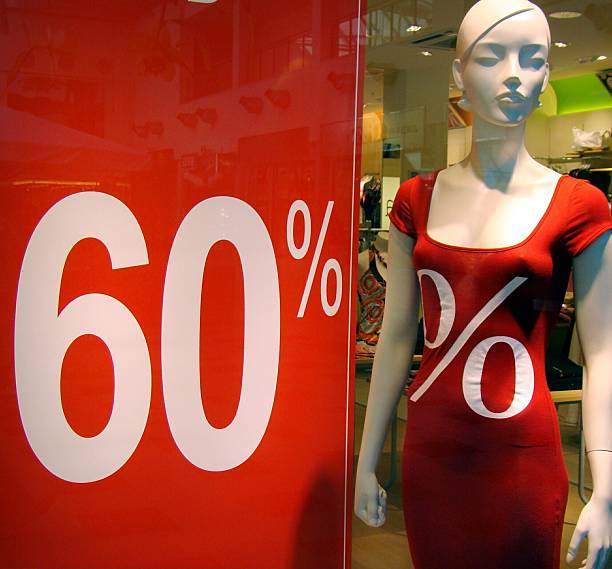
The numbers are exactly the same. But one feels good… and the other doesn’t. That’s the strange thing about shopping language. The way a deal is presented can completely change how it feels, even when the math stays identical. Why the first version feels better “Saving” feels positive. It feels like progress. Like advantage. Like gaining something. Spending feels different. It reminds you that money is leaving your pocket. So naturally, your attention moves toward the version that feels better emotionally. How stores shape perception Most offers are designed around emotion first. That’s why you almost never see:“You’re still paying 60%.” Instead, you see:“Save 40% today.” Both are true. But one encourages action far more effectively. The mind focuses on the reward When people see a discount, they often focus on what’s being avoided instead of what’s being spent. That changes the emotional weight of the decision. The purchase starts feeling smaller than it actually is. Not because the number changed… but because the framing did. Why this matters Because perception quietly influences behavior. A product that feels expensive at full price can suddenly feel reasonable once the “saving” becomes visible. Even if the final amount is still high. The hidden shift in thinking The focus changes from:“How much am I paying?” to:“How much am I saving?” And once that happens, the emotional side of the decision becomes much stronger than the practical side. A simple way to reset your perspective The next time you see a large discount, ignore the percentage for a moment. Look only at the final amount leaving your pocket. That number tells the real story. Everything else is framing. The bottom line The way a price is presented can influence how you feel about spending it. Even when nothing about the actual cost changes. Because in the end, shopping decisions are not driven by numbers alone… they’re driven by how those numbers are made to feel.

The Most Dangerous Word in Shopping Might Be “Only”

Posted on | | Leave a Comment on The Most Dangerous Word in Shopping Might Be “Only”

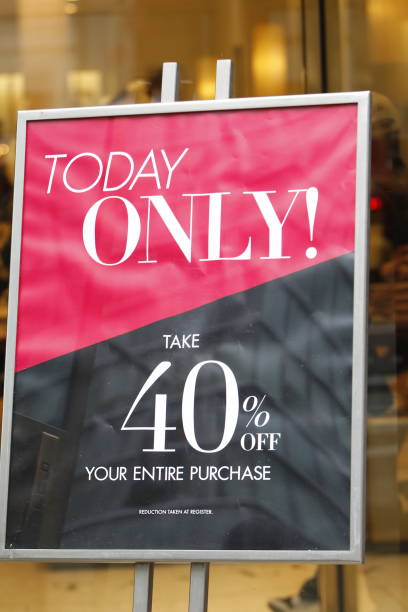
Only 2 left.Only today.Only for members.Only a few hours remaining. It’s a small word. But it changes the entire feeling of a purchase. Why “only” creates pressure instantly “Only” makes something feel limited. And limited things feel important. The moment you think something might disappear, your attention changes. You stop thinking carefully. You start thinking quickly. The fear hiding underneath it Most people are not reacting to the product itself. They’re reacting to the possibility of missing it. And missing something feels uncomfortable — even when you weren’t planning to buy it in the first place. That’s what makes urgency so powerful. How the decision speeds up Without urgency, you would probably: But “only” interrupts that process. It creates the feeling that waiting is risky. So instead of slowing down, you move faster. Why it feels reasonable in the moment The decision still feels logical. You tell yourself: And those thoughts create confidence. Even if the confidence came from pressure. What changes after the moment passes Later, the urgency disappears. The countdown is gone. The pressure fades. And now the purchase looks different. Not necessarily bad — just clearer. Because now you’re seeing the product without the emotional timing attached to it. A better way to respond to urgency The next time you see the word “only,” pause for a second and ask: 👉 If there was no time pressure, would I still want this? That question slows the moment down. And clarity usually appears when speed disappears. The bottom line Urgency doesn’t just change timing. It changes thinking. Because in the end, the most powerful part of many deals isn’t the discount… it’s the fear of missing the chance.

You Bought It for the Deal — Not the Need

Posted on | | Leave a Comment on You Bought It for the Deal — Not the Need

It didn’t start with a need. It started with a deal. A discount, a limited offer, a “you might miss this” moment — something small that made you stop scrolling. And suddenly, the question wasn’t “Do I need this?” It became “Should I get it before it’s gone?” How the shift happens quietly Most people don’t notice the exact moment it changes. At first, you’re just looking. Then you’re interested. Then you’re checking the price. And somewhere in between, the deal becomes the reason. Not the product. Why the deal feels more important than the need A good offer feels like an opportunity. And opportunities feel rare. So your mind treats it as something you should act on, even if you didn’t plan for it. That urgency replaces the original thinking process. Need gets pushed aside. Timing takes over. The story you tell yourself after Once the decision is made, the mind quickly builds justification. These thoughts don’t appear before buying. They appear after. To make the decision feel right. When it actually makes sense Buying because of a deal isn’t always wrong. It works when: In that case, the deal supports the decision. It doesn’t create it. When it becomes a problem The issue starts when the order flips. Instead of:Need → Deal It becomes:Deal → Need (created after) That’s when spending shifts from intentional to reactive. And that’s where most unnecessary purchases happen. The simple question that breaks it Before buying, there’s one question that changes everything: 👉 “Would I still want this if there was no discount?” If the answer becomes unclear, the deal is doing most of the decision-making. The bottom line Deals are meant to support buying decisions, not create them. But in many cases, they quietly take the lead. Because in the end, the real difference isn’t between full price and discounted price… it’s between buying what you need and needing what you already saw on offer.