More Isn’t Always Better

Posted on | | Leave a Comment on More Isn’t Always Better

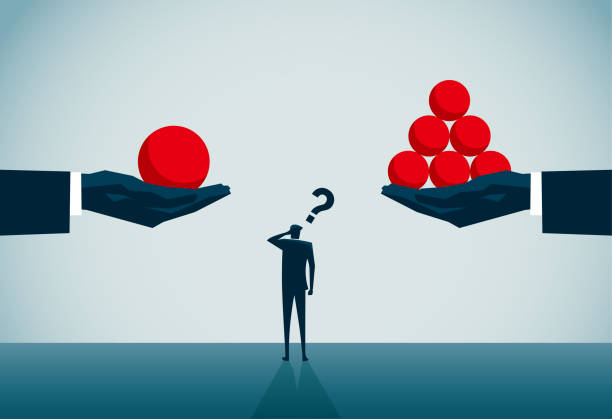
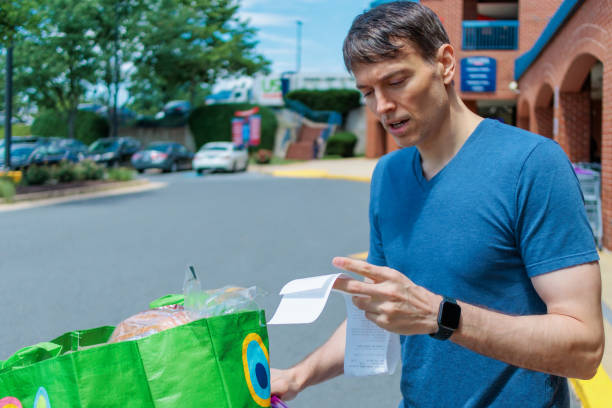
Getting more feels like winning. More items. More quantity. More value. Whether it’s a bundle, a larger size, or an offer that gives you extra, it creates a simple idea: “If I’m getting more, it must be better.” But that’s not always true. Why “more” feels like value More is easy to understand. You don’t need to think too much about it. Two items feel better than one. A bigger pack feels smarter than a smaller one. It gives a sense of advantage. Like you’re making the most out of your money. When more actually helps There are times when more does make sense. If it’s something you use regularly…If you were going to buy it again anyway…If nothing goes to waste… Then getting more can reduce future spending. In that case, it’s practical. When more becomes unnecessary The problem starts when more goes beyond what you need. You: And slowly, the extra becomes unused. Or forgotten. Or simply not needed at all. The hidden cost of “more” More doesn’t just mean more items. It also means: And sometimes, more complexity than you actually needed. Why it’s hard to resist Because more feels safe. It feels like you’re covering yourself. Like you won’t need to come back and buy again. But that feeling doesn’t always match reality. A simpler way to look at it Instead of asking:“How much am I getting?” Try asking:“How much do I actually need?” That question brings the decision back to your reality. Not the offer. The bottom line More can be useful. But only when it fits your actual use. Because in the end, getting more doesn’t always mean gaining more… sometimes it just means having more than you need.


You Saved Money… or Did You?

Posted on | | Leave a Comment on You Saved Money… or Did You?

It feels good to say it. “I saved money.” You see a discount, complete the purchase, and that thought comes naturally. Like you made the right move. Like you avoided spending more. But sometimes, that feeling deserves a second look. What “saving” usually means When people say they saved money, they usually mean one thing: They paid less than the original price. And technically, that’s true. But saving isn’t just about paying less. It’s about whether the money needed to be spent at all. When saving is real Saving is real when it reduces a cost that already existed. Something you planned. Something you needed. In that case, the discount simply lowers the amount you would have spent anyway. That’s a clear win. When it only feels like saving Now imagine a different situation. You weren’t planning to buy anything. But then you see an offer. It looks good. It feels like an opportunity. So you buy it. And afterward, it feels like you saved money. But did you? The quiet difference In the first case, you reduced spending. In the second case, you created spending. That’s the difference most people don’t notice. Because both situations feel similar in the moment. Why the feeling is so convincing Saving feels like gaining. Even if money is leaving your pocket. That emotional reward makes the decision feel positive. And once something feels positive, it becomes easier to accept it without questioning. Looking at it differently Instead of focusing on the discount, try focusing on the decision. Ask yourself: Was this money going to be spent anyway? If the answer is yes, then the saving is real. If the answer is no, then the discount didn’t reduce anything. It just changed how the spending felt. The bottom line Not every “saving” is actually saving. Sometimes it’s just spending with a better explanation. Because in the end, real savings don’t come from lower prices alone… they come from spending with intention.

It Was on Sale — But Was It for You?

Posted on | | Leave a Comment on It Was on Sale — But Was It for You?

It was clearly a good deal. The price was lower. The offer looked real. Everything about it said “this is worth it.” So you stopped. You looked at it longer than usual. And for a moment, it felt like the right choice. But there’s a question most people don’t ask at that point. Was it actually for you? When a deal gets your attention A good deal has a way of pulling you in. Even if you weren’t looking for anything, it makes you pause. Because it feels like an opportunity. And opportunities feel like something you shouldn’t ignore. The difference between “good” and “right” Something can be a good deal… and still not be the right choice. That’s the part that gets overlooked. Because once something feels valuable, it becomes harder to separate the deal from your actual needs. How the decision starts to shift At first, you’re just noticing it. Then you start thinking about it. Could you use it?Would it be useful later?Is it better to take the chance now? Slowly, the idea grows. And before you realize it, you’re not evaluating the deal anymore. You’re trying to make it fit. Why it feels reasonable Once you start imagining using something, it becomes easier to justify. Even if the need wasn’t there before. Because now it feels like it could be useful. And “could be useful” is often enough to move forward. What happens after the moment passes Later, when the excitement fades, things become clearer. You’re no longer looking at the deal. You’re looking at the item itself. And sometimes, it doesn’t feel as important as it did before. A better way to look at it Before deciding, it helps to step back for a moment and ask: Would I have noticed this if it wasn’t on sale? That question changes your perspective. Because it removes the deal from the equation. And what’s left is your real interest. The bottom line Not every good deal is meant for you. Sometimes it’s just there. Because in the end, what matters isn’t how good the offer looks… it’s whether it actually fits your life.

You Didn’t Plan to Buy It — So Why Did You?

Posted on | | Leave a Comment on You Didn’t Plan to Buy It — So Why Did You?

It wasn’t on your list. You weren’t looking for it. And yet… you bought it. Somewhere between seeing the offer and completing the purchase, the decision changed. And it didn’t feel random. It felt right in the moment. How the decision quietly shifts At first, you’re just browsing. Then you see something interesting. A good price. A limited offer. Maybe even a small push like “only a few left.” Nothing feels forced. But your attention stays there a little longer than expected. And that’s where things begin to change. When interest turns into intention You start imagining using it. You picture how it could fit into your routine. It begins to feel useful… even if it wasn’t before. That’s the moment where browsing becomes considering. And considering slowly becomes deciding. The role of timing Sometimes, it’s not even about the product. It’s about the moment. Maybe you’re bored. Maybe you’re tired. Maybe you just want something new. And the offer appears at the right time. That combination makes the decision feel natural. Why it feels justified Once the idea settles in, your mind starts building reasons. “It’s a good price.”“I might need it later.”“It’s better to get it now.” Each reason adds a layer of confidence. Until the purchase feels completely reasonable. What happens after Later, when the moment passes, the clarity returns. You look at what you bought without the same feeling that led to the decision. And sometimes, the question comes back: Why did I buy this? The small space that matters There’s a small space between seeing something and deciding to buy it. Most of the time, it passes quickly. But if you pause there, even briefly, things look different. The feeling slows down. And the decision becomes clearer. The bottom line Not every purchase starts with a need. Some start with a moment. Because in the end, the question isn’t just what you bought… it’s what made you decide to buy it.

Cheap Doesn’t Always Mean Smart

Posted on | | Leave a Comment on Cheap Doesn’t Always Mean Smart

Cheap prices are hard to ignore. You see something for less than usual, and it immediately feels like a smart move. Like you found a better option without paying more. But cheap doesn’t always mean smart. Sometimes, it just means lower cost… without real value. Why cheap feels like the right choice Lower prices feel safe. You think:“I’m not risking much.” And that makes the decision easier. Even if you’re not fully sure about the product, the low price makes it feel acceptable. When cheap actually works Buying something cheaper can be a smart move when: In those cases, you’re simply avoiding unnecessary spending. When cheap becomes expensive The problem starts when cheap leads to compromise. The product doesn’t last.It doesn’t perform well.Or it doesn’t fully solve what you needed. And then you end up replacing it. Or buying something else later. Now you’ve spent more than you would have if you chose better from the start. The hidden trade-off Cheap often comes with something missing. Maybe it’s quality.Maybe it’s durability.Maybe it’s reliability. But something is usually traded for that lower price. And if that missing piece matters, the cheap option stops being a smart one. Why we don’t notice it immediately Because the decision feels good at the beginning. You paid less. That’s clear. What’s not clear yet is the long-term result. That only shows up later. A better way to think about it Instead of asking:“Is this cheap?” Ask:“Is this worth it?” That question changes your focus. From price… to value. The bottom line Cheap can be smart. But only when it still gives you what you actually need. Because in the end, spending less upfront doesn’t always mean spending less overall… it just depends on what you’re really getting.

It Felt Like a Good Deal — Until Later

Posted on | | Leave a Comment on It Felt Like a Good Deal — Until Later

At the moment, it made sense. The price was lower. The offer looked good. It felt like the right decision. So you bought it. But later… something feels off. Not because the deal was fake, but because the decision doesn’t feel as strong as it did before. What changed after the purchase Nothing about the deal changed. The price is still the same. The discount is still there. But your perspective is different. Because the pressure is gone. You’re no longer deciding under excitement or urgency. Now you’re just looking at what you bought… without the influence. Why it felt right at the time In the moment, several things come together: All of that creates confidence. Not necessarily because the decision is perfect, but because it feels good. The quiet realization Later, when things slow down, questions start to appear. Did I really need this?Would I have bought it without the deal?Was this actually worth it? And sometimes, the answers aren’t as clear as they were before. The difference between feeling and value A deal can feel good without being valuable. That’s the tricky part. Because during the decision, feeling often takes the lead. Value comes later. Why this happens so often Because most deals are designed to influence the moment. They don’t give you time to think deeply. They encourage quick decisions. And quick decisions are more likely to be driven by emotion than clarity. A small pause that changes everything If you give yourself even a short pause before buying, something interesting happens. The excitement fades just enough for clarity to come in. And sometimes, that clarity leads to a different choice. The better way to look at it A good deal should still feel right after the moment passes. Not just during it. If it only makes sense when you’re in it…then it might not be as strong as it seemed. The bottom line Not every regret comes from a bad deal. Sometimes it comes from a rushed decision. Because in the end, the best purchases don’t just feel right in the moment… they still make sense later.

What is Wondershare and Why Do People Use It?

Posted on | | Leave a Comment on What is Wondershare and Why Do People Use It?

Wondershare is known for building simple but powerful software that helps people create, edit, and manage digital content without needing advanced technical skills. From students and freelancers to small businesses, it’s widely used because it delivers practical tools that don’t feel overwhelming. ✨ What Makes Wondershare Worth It? What stands out is how accessible their software is compared to more complex alternatives. You don’t need to be a professional to get solid results. 🛠️ Popular Tools You Should Know Wondershare has several products, but a few are especially popular: These tools cover most everyday digital needs in one ecosystem. 💸 How to Save on Wondershare A 5% discount might seem small, but it stacks well if you’re planning to buy premium tools. Even small discounts make a difference on full software licenses. 🤔 Is Wondershare Worth It? If you want powerful tools without the steep learning curve of professional software, Wondershare is a strong choice. It may not replace high-end industry tools for advanced users, but for most people, it’s more than enough—and much easier to use. 🧾 Final Thoughts Wondershare makes creative and productivity software more accessible to everyone. With a wide selection of tools and a simple user experience, it’s a practical option whether you’re editing videos, working with PDFs, or managing files. Getting even a small discount is a good opportunity to try their premium features without paying full price.

What is Picsart and Why Is It So Popular?

Posted on | | Leave a Comment on What is Picsart and Why Is It So Popular?

Picsart has grown into one of the most widely used creative apps for a reason—it makes professional-level editing feel simple. Whether you’re fixing a quick photo, designing social media content, or experimenting with AI-generated visuals, it brings everything into one place. It’s especially popular among creators who want fast results without needing advanced software like desktop editing tools. What Makes Picsart Worth Trying? What sets Picsart apart is how much it packs into a single app without overwhelming you. You don’t need design experience to get good results, which is a big part of its appeal. Popular Features You’ll Actually Use Most people don’t even use half the features—but a few really stand out: These are the tools that make everyday editing faster and more creative. How to Save on Picsart While the free version is solid, many of the best features are in Picsart Gold (premium). Here’s how to spend less: If you use it regularly, upgrading during a discount is usually worth it. Is Picsart Actually Worth It? If you only edit occasionally, the free version will cover most needs.But if you create content often—especially for social media—the premium version unlocks tools that save time and improve quality. It’s not meant to replace high-end professional software, but for mobile editing, it’s one of the most practical and accessible options out there. Final Thoughts Picsart strikes a balance between powerful features and ease of use. It’s fast, flexible, and built for modern content creation. If you’re looking for a simple way to upgrade your photos, videos, or designs without a steep learning curve, it’s definitely worth exploring—especially when you can grab a discount.

The Illusion of Saving

Posted on | | Leave a Comment on The Illusion of Saving

Saving money feels good. Even the idea of it. You see a lower price, a discount, or an offer, and instantly it feels like you made a smart move. But sometimes, what feels like saving… isn’t really saving at all. How the illusion starts It usually begins with a simple thought: “I’m paying less.” And that’s true. But paying less doesn’t always mean you’re spending wisely. Because the focus shifts from:“What am I spending?” to:“What am I saving?” And that small shift changes everything. When saving isn’t really saving Imagine buying something you didn’t plan to get. But it was discounted. So it feels justified. In that moment, it feels like you avoided a higher cost. But in reality, you added a new cost. You didn’t reduce spending. You increased it… in a way that felt better. Why it feels so convincing The brain reacts strongly to perceived gains. Saving feels like gaining. Even if money is still leaving your pocket. That emotional reward makes the decision feel right. And once something feels right, it becomes harder to question it. The quiet habit it creates Over time, this creates a pattern. You: And slowly, spending increases… without feeling like it. A different way to look at it Instead of focusing on how much you’re saving, shift your attention to something simpler: “Would I still spend this money if there was no deal?” That question removes the illusion. And what’s left is a clearer decision. When saving becomes real Saving is real when it reduces a planned expense. Not when it creates a new one. That’s the difference most people don’t notice. The bottom line Not everything that feels like saving is actually saving. Sometimes it’s just spending… with a better story around it. Because in the end, real savings don’t come from lower prices alone… they come from better decisions.

Why “Buy One Get One” Isn’t Always a Good Deal

Posted on | | Leave a Comment on Why “Buy One Get One” Isn’t Always a Good Deal

“Buy one, get one free” sounds like one of the best deals you can find. You pay once… and get two. It feels like an obvious win. But just like many deals, it depends on one simple thing most people overlook. Do you actually need two? Why it feels like a great deal The idea is simple. You’re getting more for the same price. And that instantly feels like value. Even if you didn’t plan to buy anything, the offer itself can create interest. Because getting something “free” is hard to ignore. When it actually makes sense These deals can be useful in certain situations. When: In that case, the offer reduces your overall cost. You’re simply paying less for something you were already going to buy. When it doesn’t The problem starts when the deal creates the need. You only wanted one. But now you’re buying two because it feels like a better option. And suddenly, you’re spending more than you planned. Not because you needed more… But because the offer made it feel right. The hidden cost of “free” That second item isn’t really free. You paid for it in the decision to buy more than you needed. Sometimes it ends up unused. Sometimes it sits somewhere until it loses its value. And sometimes it simply wasn’t necessary in the first place. Why it’s hard to say no “Free” is one of the strongest triggers in shopping. It feels like an opportunity. Like something you shouldn’t pass up. So even if you’re unsure, it pushes you toward saying yes. A simple way to look at it Before accepting a “buy one get one” deal, ask yourself: Would I still buy two if there was no offer? If the answer is yes, then the deal works. If the answer is no, then the deal is shaping your decision. The bottom line Getting more doesn’t always mean getting value. Sometimes it just means spending more than necessary. Because in the end, a good deal isn’t about how much you get… it’s about whether you needed it in the first place.