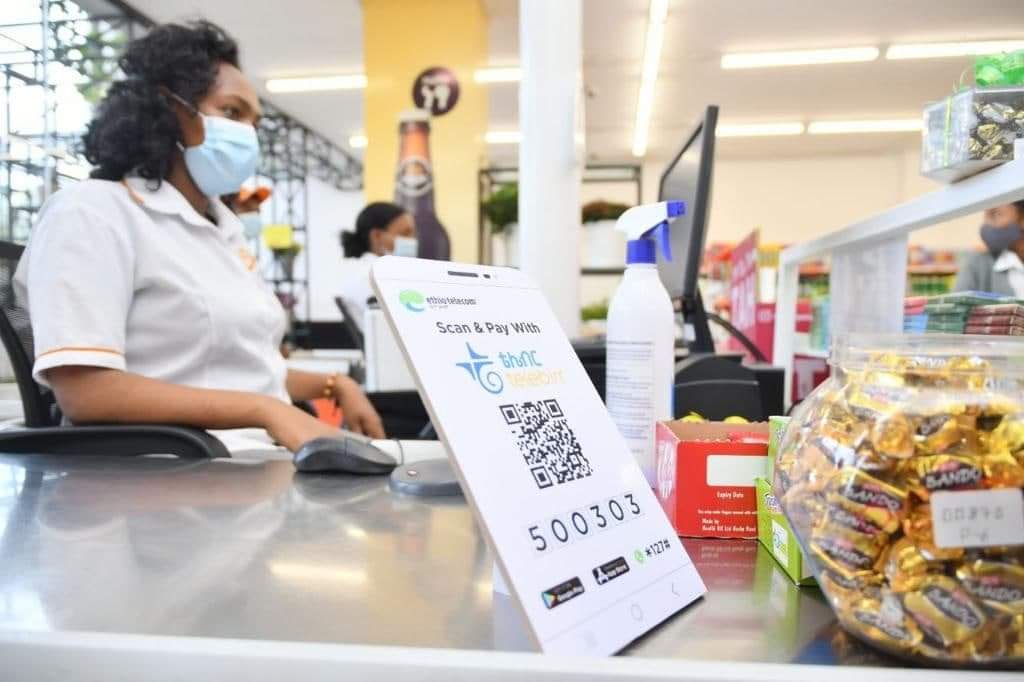
Source: Ethiopia records 58 million mobile money users and 60% growth in digital transactions
https://www.ena.et/web/eng/w/eng_8234853
A few years ago, seeing a digital payment option at a small business in Ethiopia was uncommon.
Today, things are changing.
From cafés and supermarkets to pharmacies and local shops, more businesses are accepting mobile payments than ever before.
This shift is not happening by accident.
It is being driven by changing consumer habits, growing mobile money adoption, and a broader push toward digital financial services.
According to recent government figures, Ethiopia now has 58 million mobile money users, while digital payment transactions have increased by 60% in just six months.
Those numbers represent more than technology.
They represent a major change in how people spend money.
Consumers Are Leading the Change
Businesses often adapt to customer behavior.
As more Ethiopians begin using mobile wallets and digital payment platforms, customers increasingly expect businesses to accept them.
For many consumers, paying digitally offers convenience.
There is less need to carry cash, search for change, or visit an ATM before making a purchase.
When enough customers want a payment option, businesses eventually respond.
Small Businesses Are Seeing Practical Benefits
Digital payments are not only about customer convenience.
They can also simplify business operations.
Many merchants report benefits such as:
- Faster transactions
- Reduced cash handling
- Easier payment tracking
- Improved transaction records
For businesses managing daily sales, digital payment records can provide greater visibility into revenue and customer activity.
Ethiopia Is Following a Global Pattern
The trend is not unique to Ethiopia.
Countries around the world have seen digital payments reshape commerce.
In Kenya, M-Pesa transformed mobile transactions.
In India, UPI payments became a daily habit for millions.
In China, QR-code payments became so common that cash usage declined significantly in many urban areas.
While Ethiopia’s market is different, the direction is familiar.
Consumers adopt convenience, and businesses adapt accordingly.
What This Means for Shoppers
The growth of digital payments may create a better shopping experience.
As adoption increases, consumers could benefit from:
- Faster checkouts
- More payment choices
- Better integration with online services
- Easier access to promotions and rewards
Digital payments can also support the growth of e-commerce and delivery services that depend on convenient transactions.
Challenges Remain
Despite strong growth, not every business accepts digital payments.
Some merchants still face challenges related to:
- Connectivity
- Technical infrastructure
- Transaction costs
- Digital literacy
Expanding acceptance across all regions and business sizes will take time.
Why This Matters
The rise of digital payments is changing more than how money moves.
It is changing consumer expectations.
Today’s customers increasingly expect flexibility.
Businesses that adapt to those expectations may gain an advantage as Ethiopia’s digital economy continues to grow.
The Bottom Line
The increase in digital payments is not simply a technology trend.
It is a consumer trend.
As millions of Ethiopians become comfortable paying digitally, businesses are responding by offering more payment options.
And as that cycle continues, digital payments may become a standard part of everyday commerce across the country.