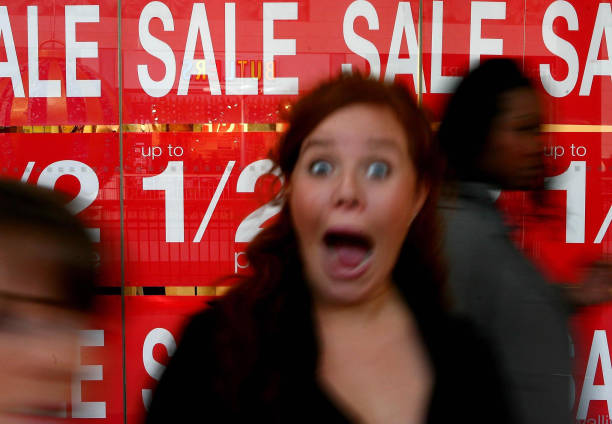
The product stayed exactly the same.
Same quality. Same function. Same purpose.
But the moment the discount appeared, your reaction changed completely.
Suddenly it felt interesting.
Worth considering.
Maybe even hard to ignore.
What discounts actually influence
Most people think discounts change value.
But often, they mainly change perception.
A product that felt “too expensive” yesterday can suddenly feel reasonable today — even if the final price is still high.
Not because the item became better.
Because the feeling around it changed.
Why the brain reacts so strongly
Discounts create emotional movement.
They trigger:
- excitement
- urgency
- fear of missing out
- the feeling of gaining something
And those emotions quietly influence the decision before logic fully catches up.
The moment attention becomes desire
At first, you simply notice the deal.
Then you start imagining the product.
Then you start imagining owning it.
That progression happens quickly.
And by the time you realize it, interest already feels personal.
Why this matters
Because many purchases are not driven by need alone.
They’re driven by emotional timing.
A discount creates the perfect moment for desire to feel justified.
The illusion people rarely notice
Sometimes the product itself was never that important.
The emotional reaction was.
The excitement of catching a deal becomes stronger than the actual usefulness of what’s being bought.
And that’s when shopping stops being intentional.
A simple way to reset your thinking
The next time a discount grabs your attention, pause and ask:
👉 What exactly changed here — the product, or my reaction to it?
That question separates value from emotion surprisingly fast.
The bottom line
Discounts don’t just lower prices.
They reshape how people feel about spending.
Because in the end, the strongest part of many deals isn’t the product itself…
it’s the emotional shift created by seeing the price drop.