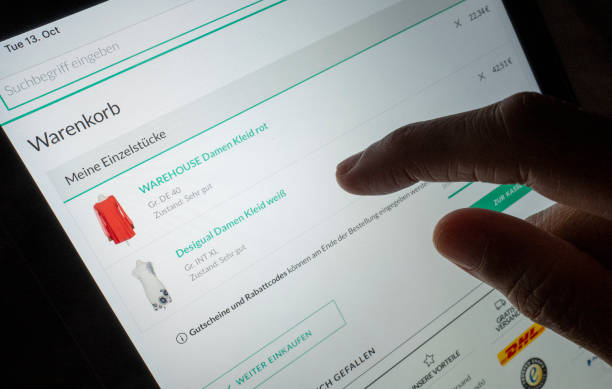
It starts simple.
You find something you like.
You’re ready to check out.
Then you notice something:
👉 “Spend a little more and get a better deal.”
Or:
👉 “Add one more item for free shipping.”
And suddenly, the purchase isn’t finished anymore.
It’s growing.
How the “one more thing” starts
You weren’t planning to buy anything extra.
But the system gives you a small gap to fill.
Just a little more spending to unlock something better.
So you start thinking:
“What else can I add?”
Not because you need it… but because it feels like a smart optimization.
Why it feels logical
It doesn’t feel like impulse buying.
It feels like strategy.
You’re not wasting money — you’re improving the deal.
At least that’s what it feels like in the moment.
The silent shift in focus
Originally, the goal was simple:
Buy what you need.
But now the goal changes:
Optimize the offer.
And that shift is subtle, but powerful.
Because now the decision is no longer about need…
it’s about maximizing the deal.
What gets added in the process
The “one more thing” is rarely planned.
It’s usually:
- Something small
- Something not urgent
- Something you wouldn’t have searched for alone
But under the deal pressure, it feels reasonable.
Why it’s so effective
Because it doesn’t feel like pressure.
It feels like opportunity.
You’re not being forced to buy more.
You’re being shown how to “save better.”
And that’s what makes it hard to resist.
The hidden outcome
At the end, you might have:
- Saved a little on shipping
- Got a small discount
But also:
- Spent more overall
- Bought something you didn’t plan
And both feel connected… even though they aren’t.
A simple reality check
Before adding that extra item, it helps to ask:
Would I still buy this if there was no offer attached?
If the answer is no, then it’s not really part of the purchase.
It’s part of the deal design.
The bottom line
Deals often don’t just change prices.
They change behavior.
Because in the end, the real question isn’t how to complete the offer…
it’s whether you needed to expand the purchase in the first place.