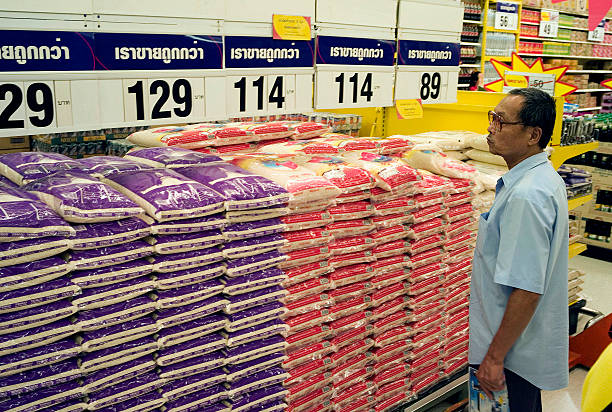
At first glance, the price looks fine.
Maybe even good.
You compare it quickly, see that it’s lower than something else, and it feels like a smart choice.
So you move forward.
But sometimes, the problem isn’t the price itself.
It’s how you’re looking at it.
Where the trap begins
Most decisions happen fast.
You don’t analyze every detail.
You look at one number, compare it to another, and decide.
That shortcut works most of the time.
But it also creates blind spots.
The focus on “relative” value
Instead of asking what something is worth to you, you compare it to something else.
- This one is cheaper than that
- This one is discounted more
- This one looks like a better deal
And that comparison becomes your decision.
Not the actual value.
What gets ignored
When the focus is on comparison, other things fade away.
You don’t fully think about:
- Whether you need it
- How often you’ll use it
- If it actually fits your situation
The decision becomes about “better than” instead of “right for me.”
Why it feels correct
Because comparison feels logical.
It feels like you’re making a rational choice.
But logic based on the wrong reference can still lead to the wrong outcome.
A small shift that changes everything
Instead of comparing options first, pause and ask:
“What would I be willing to pay for this without comparing it?”
That question removes the influence of other prices.
And brings the focus back to your own value.
The bottom line
Not every smart-looking price is actually a smart decision.
Sometimes it just looks that way because of what you’re comparing it to.
Because in the end, the real question isn’t whether something is cheaper…
it’s whether it’s worth it to you.