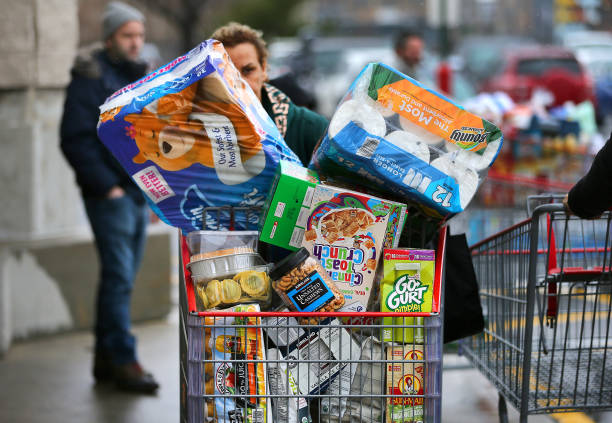
Getting more feels like winning.
More items. More quantity. More value.
Whether it’s a bundle, a larger size, or an offer that gives you extra, it creates a simple idea:
“If I’m getting more, it must be better.”
But that’s not always true.
Why “more” feels like value
More is easy to understand.
You don’t need to think too much about it.
Two items feel better than one. A bigger pack feels smarter than a smaller one.
It gives a sense of advantage.
Like you’re making the most out of your money.
When more actually helps
There are times when more does make sense.
If it’s something you use regularly…
If you were going to buy it again anyway…
If nothing goes to waste…
Then getting more can reduce future spending.
In that case, it’s practical.
When more becomes unnecessary
The problem starts when more goes beyond what you need.
You:
- Buy extra “just in case”
- Choose a bigger option without a clear reason
- Accept an offer simply because it gives you more
And slowly, the extra becomes unused.
Or forgotten.
Or simply not needed at all.
The hidden cost of “more”
More doesn’t just mean more items.
It also means:
- More money spent upfront
- More space used
- More chance of waste
And sometimes, more complexity than you actually needed.
Why it’s hard to resist
Because more feels safe.
It feels like you’re covering yourself.
Like you won’t need to come back and buy again.
But that feeling doesn’t always match reality.
A simpler way to look at it
Instead of asking:
“How much am I getting?”
Try asking:
“How much do I actually need?”
That question brings the decision back to your reality.
Not the offer.
The bottom line
More can be useful.
But only when it fits your actual use.
Because in the end, getting more doesn’t always mean gaining more…
sometimes it just means having more than you need.